


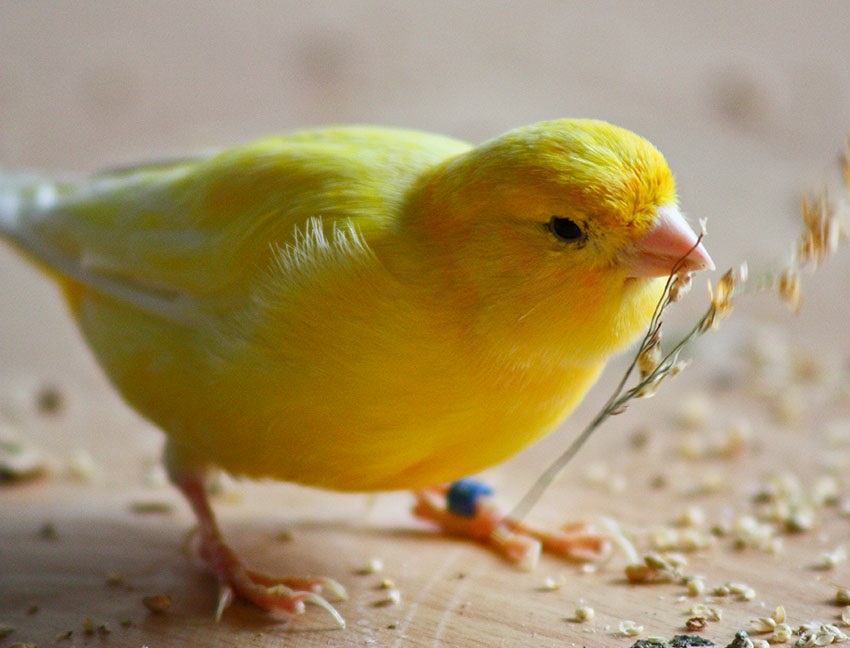
27 Jul Is Canary Seed Good for Birds?
Birds are fascinating creatures that grace our skies with their vibrant colors and delightful songs. As a bird enthusiast, you must have wondered about the best diet to provide for your feathered friends. One question that often arises is whether canary seed is good for birds. In this article, we will delve deep into the world of canary seed and explore its benefits and potential drawbacks for our avian companions. This article is provided by fruitnfood.com
What is Canary Seed?
Before we dive into the specifics, let’s understand what canary seed actually is. Canary seed refers to the seeds of the annual grass plant, Phalaris canariensis, which is native to the Mediterranean region. These small, shiny seeds come in a range of colors, including black, brown, and white.
Canary seed is commonly used as food for domesticated birds, particularly canaries, hence the name. However, it is not exclusive to canaries, and many other bird species can enjoy its nutritional benefits. Explore the canary seed benefits.
The Nutritional Value of Canary Seed
Canary seed is highly regarded for its nutritional profile, making it a popular choice among bird enthusiasts. Here are some key nutrients found in canary seed:
1. Proteins
Proteins are vital for the growth, repair, and overall health of birds. Canary seed contains a good amount of proteins, which help in building strong muscles and supporting their immune systems.
2. Carbohydrates
Carbohydrates are a crucial source of energy for birds. The carbohydrates in canary seed provide the necessary fuel to sustain their active lifestyles and flying abilities.
3. Fats
Healthy fats are essential for maintaining proper avian health. Canary seed contains beneficial fats that aid in feather maintenance and support organ function.
4. Vitamins
Canary seed is rich in various vitamins, including vitamin A, vitamin E, and B-complex vitamins. These vitamins play crucial roles in supporting vision, promoting healthy skin, and aiding in metabolism.
5. Minerals
Minerals like calcium, phosphorus, and magnesium are found in canary seed, contributing to strong bones, beaks, and feathers.
Health Benefits of Canary Seed for Birds
Now that we understand the nutritional content of canary seed, let’s explore the health benefits it offers to our avian companions:
1. Feather Health
The healthy fats and proteins in canary seed promote excellent feather health. Birds with well-nourished feathers have enhanced flight abilities and are better equipped to withstand various weather conditions.
2. Strong Bones and Beaks
The minerals present in canary seed, such as calcium and phosphorus, are essential for maintaining robust bones and sturdy beaks. This is especially crucial for birds as their beaks are their primary tools for feeding and other tasks.
3. Immune System Support
The proteins and vitamins in canary seed help bolster birds’ immune systems, making them more resilient to infections and diseases.
4. Improved Digestion
The carbohydrates in canary seed aid in digestion, ensuring that birds can efficiently process the food they consume.
5. Enhanced Vision
Vitamin A is essential for good vision, and canary seed provides an ample supply of this vital nutrient, helping birds maintain clear and healthy eyesight.
Canary Seed: A Balanced Part of the Diet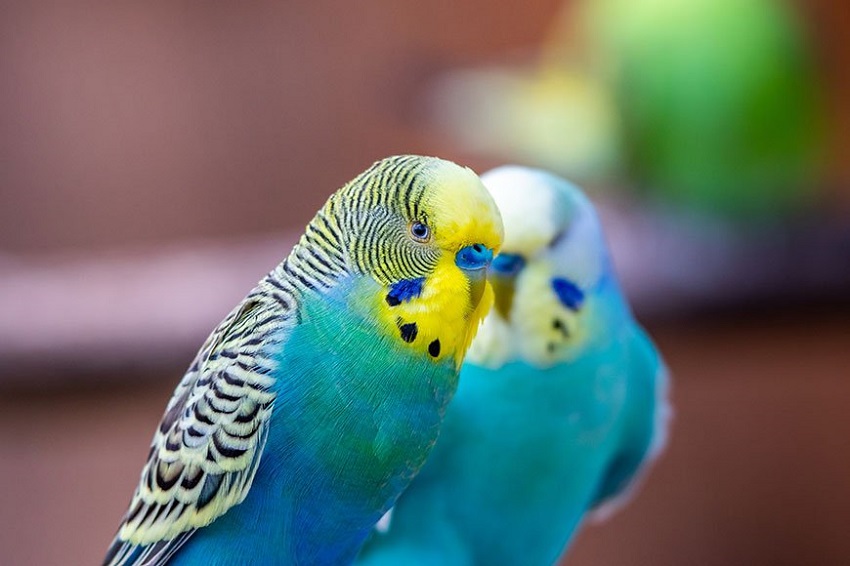
While canary seed offers numerous health benefits, it is important to remember that a balanced diet is key to a bird’s overall well-being. Canary seed should be part of a varied and diverse diet that includes other seeds, nuts, fruits, and vegetables.
When preparing your bird’s diet, consider consulting with an avian veterinarian or an experienced aviculturist. They can provide valuable insights into your bird’s specific dietary needs based on their species, age, and health condition.
Potential Drawbacks of Canary Seed
Though canary seed is a valuable addition to a bird’s diet, there are some potential drawbacks to be aware of:
1. Fatty Content
While healthy fats are beneficial, canary seed does have a relatively high-fat content. Feeding birds excessive amounts of fatty seeds without balancing their diet with other nutrients can lead to obesity and related health issues.
2. Allergies
Some birds may be allergic to canary seed or develop sensitivities over time. It’s essential to monitor your bird’s reactions when introducing new foods to their diet.
3. Limited Nutrient Variety
Relying solely on canary seed without incorporating a diverse range of foods may lead to nutrient deficiencies in birds.
Conclusion
Canary seed is indeed good for birds, especially when offered as part of a balanced and varied diet. Its nutritional value, including proteins, fats, vitamins, and minerals, provides numerous health benefits, from strong feathers and bones to improved immune function.
However, it is crucial to remember that a diverse diet is essential for the well-being of our avian friends. Canary seed should not be the sole component of their meals, and other seeds, fruits, vegetables, and nuts should be included to ensure they receive a wide array of nutrients.
Sorry, the comment form is closed at this time.