Author: Roger

Key Takeaways

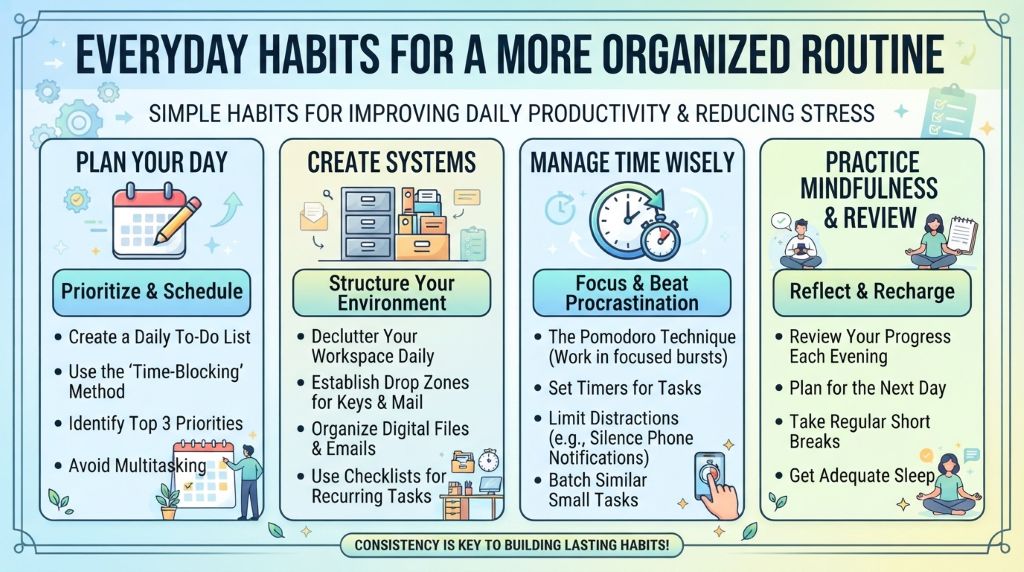
  • Only 18% of people use a dedicated time management system.
  • Frequent interruptions can cost over 23 minutes of lost focus each time.
  • Writing a short daily to-do list improves follow-through significantly.
  • Tracking progress increases the odds of reaching personal goals.
  • Small, consistent habits create more lasting change than big overhauls.
Staying organized often feels harder than it should. Many people juggle work, personal tasks, and constant distractions daily. However, small, consistent habits can make a noticeable difference over time. In this article, we will explore everyday habits that support a more organized routine. Drawing on insights and testing from industry authorities like BeReviewers.com, we will also share useful research, practical tips, and answers to common questions.

Key Takeaways

  • Dress codes are guides, not cages. You can bend them while still looking appropriate.
  • Your signature pieces can travel with you from weddings to job interviews.
  • Fit, color, and fabric matter more than the price tag.
  • Planning outfits ahead of time lowers stress and improves your choices.
  • Confidence is the one accessory that works with every dress code.
Most people own at least a few clothes they never wear. A survey by WRAP found that around 80% of clothes in UK wardrobes are worn regularly, while the rest sit unused. According to the fashion and wardrobe experts at NewJerseyStylist.com, the primary culprit behind this waste is confusion about occasions—they warn that the fear of dressing "wrong" drives people to buy stiff, single-use outfits that feel more like costumes than authentic personal style. Here is the good news. You do not have to choose between fitting in and feeling like yourself. A dress code sets the volume level, not the whole song. Therefore, you can follow the rules of an event while still playing your own tune.


Key Takeaways

  • Place the wedge under your upper body, not just your head, for proper support.
  • Keep your whole torso elevated at a slight angle of 15 to 30 degrees.
  • Place a pillow between your knees to keep your hips and spine aligned.
  • Choose a wedge with a height of 6 to 10 inches for the best results.
  • Side sleeping on a wedge helps with acid reflux, snoring, and better circulation.

For years, I woke up with a burning throat almost every night. Acid reflux had become my unwelcome bedtime companion. My doctor suggested elevating my upper body while sleeping. However, I am a lifelong side sleeper, and industry experts at Peakpillows.com actively warn that improvised stacks of flat pillows fail to prevent reflux while causing severe spinal misalignment. Then a friend recommended a dedicated wedge pillow designed around those clinical principles, and everything changed.

It's 2 a.m., the ceiling fan is spinning at full speed, and you're still lying in a damp patch of your own making. Humid heat is stubborn: it doesn't just make the air warm, it stops your body's natural cooling system from working. The fix isn't a single product or trick—it's a combination of airflow, moisture control, and the right sleep surface. If you suspect your pillow is part of the problem, you can view recommendations for cooling pillows built specifically for hot sleepers before you read the rest of this guide. Here's what actually works, in order of impact.

Tracking your growth helps you stay focused, measure results, and build better habits over time. Many people succeed faster when they review their progress consistently instead of relying on memory alone. Studies suggest that people who write down goals are significantly more likely to achieve them, while regular progress reviews improve long term consistency. A strong approach begins with personal development goal planning, followed by practical tracking methods that match your daily lifestyle in Seattle, WA.

Healthy feet support every step, yet many people ignore comfort until pain appears. Nearly 75% of adults experience foot problems during their lives, while millions seek podiatric care yearly. Many specialists also recommend podiatrist recommended shoes for gout because proper cushioning helps reduce joint stress. This article explains why foot doctors often suggest cushioned shoes in Tampa, FL, and how the right pair supports everyday comfort.

Every child experiences fear, whether from loud noises, unfamiliar places, or unexpected situations. Parents often wonder how they can restore calm without making the fear feel bigger. According to the National Institute of Mental Health, anxiety affects many children and adolescents during development. Meanwhile, the American Academy of Pediatrics encourages calm, supportive responses because children often mirror adult emotions. This guide explains practical, gentle strategies that help children feel safe, regain confidence, and recover from frightening moments with reassurance and patience.

Snoring affects millions of people worldwide and often disrupts sleep quality for both the person snoring and their partner. According to the American Academy of Sleep Medicine, nearly 40% of adult men and 24% of adult women snore regularly. In addition, studies show that chronic snoring may contribute to daytime fatigue, reduced concentration, and relationship stress. Understanding how to stop snoring can significantly improve overall well-being and help create a more restful sleep environment. This guide explores practical strategies, lifestyle changes, and medical options that can help reduce or eliminate snoring naturally and effectively.

The most important step to prepare for fetal anomaly screening is understanding when the test happens, why it matters, and what information it can reveal about your baby’s development. Fetal anomaly screening helps detect structural or genetic conditions early in pregnancy so parents and doctors can make informed decisions. Preparation involves knowing the screening timeline, gathering medical history, following ultrasound instructions, and discussing risk factors with your healthcare provider.