


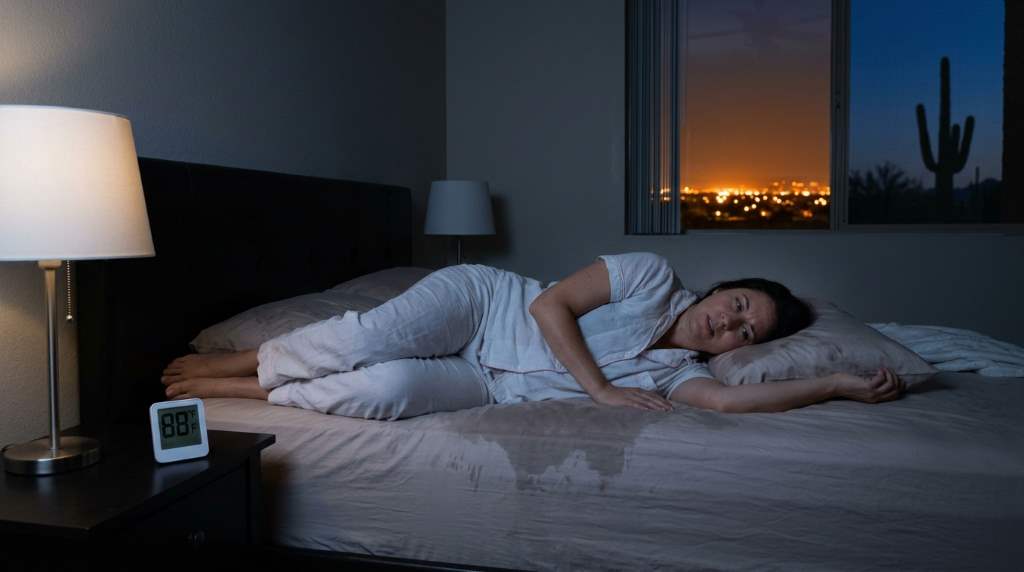
20 Aug How to Stop Night Overheating in Phoenix, AZ
Stop night overheating in Phoenix by cooling your bedroom before bedtime, improving airflow, and choosing breathable bedding that releases trapped heat. A lower room temperature, better humidity control, and consistent evening habits can help you sleep more comfortably even during intense desert nights.
Phoenix regularly experiences summer nights above 90°F, while sleep experts recommend bedroom temperatures around 60°F to 67°F. This guide combines practical home cooling methods with sleep friendly habits, and even explores breathable cooling pillow reviews as one helpful comfort upgrade.
Why Phoenix Nights Feel So Hot
Phoenix stays warm after sunset because concrete, asphalt, and buildings store heat throughout the day. As a result, these surfaces slowly release warmth overnight and keep surrounding neighborhoods unusually hot.
Indoor spaces also trap heat when insulation, windows, and ventilation cannot remove it quickly enough. Moreover, ceiling level temperatures often remain several degrees warmer than floor level temperatures.
Your sleeping environment becomes even more uncomfortable when bedding holds body heat for hours. Therefore, improving airflow matters just as much as lowering the thermostat.
Gentle evening stretches can reduce physical tension before sleep, and start neck hump exercises naturally support a more relaxed bedtime routine.
Cool Your Bedroom Before You Sleep
Preparing your room before bedtime works better than trying to cool it after you already feel overheated. Small changes made during the evening can noticeably improve overnight comfort.
Lower the Thermostat Early
Start cooling your bedroom about one hour before bedtime instead of waiting until you enter the room. This approach allows walls, furniture, and bedding to release stored heat gradually.
Most people sleep comfortably when indoor temperatures stay between 60°F and 67°F. However, personal comfort varies, so adjust within that range until you find the best balance.
Use Ceiling Fans Correctly
Set your ceiling fan to rotate counterclockwise during warm weather for stronger downward airflow. This movement helps sweat evaporate faster and creates a cooler feeling without changing room temperature.
Keep the fan running throughout the night if the airflow feels comfortable. Additionally, avoid placing furniture where it blocks circulating air.
Block Heat Before Sunset
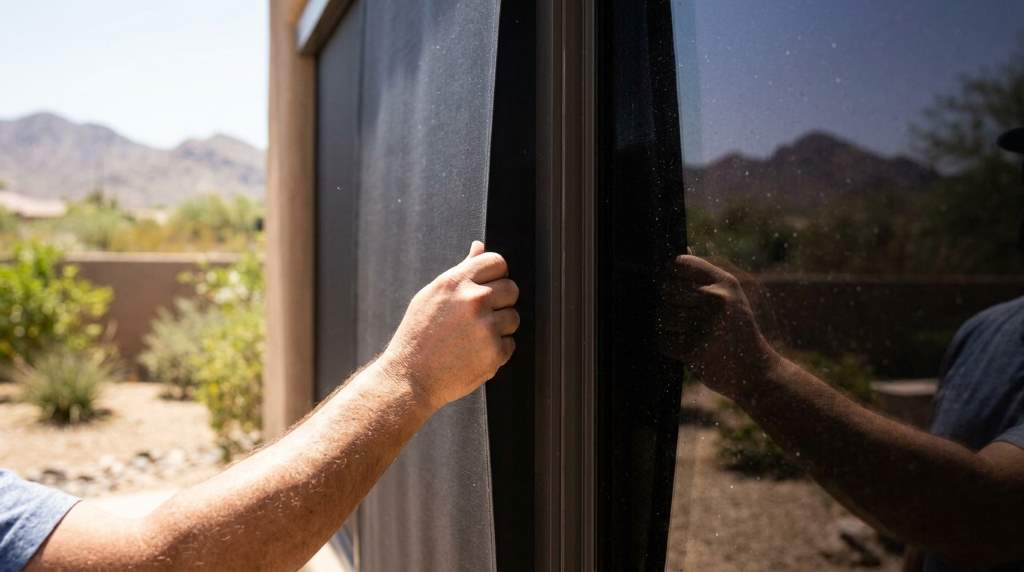
Close blackout curtains or thermal blinds before afternoon sunlight reaches your bedroom windows. This simple step reduces indoor heat buildup before nighttime arrives.
South and west facing windows usually allow the most heat inside during summer afternoons. Consequently, these windows deserve extra attention during extreme heat periods.
Choose Bedding That Releases Heat
Your bedding can either trap warmth or help your body cool naturally while sleeping. Selecting breathable materials often produces noticeable improvements without expensive upgrades.
Use Natural Fabric Sheets
Cotton, bamboo, and linen sheets allow better airflow than many synthetic fabrics. These materials also absorb moisture more effectively and help reduce that sticky sleeping feeling.
Light colored bedding reflects more heat than darker colors during daytime exposure. Therefore, choosing lighter shades can support overall bedroom comfort.
Switch to a Cooling Pillow
A breathable pillow helps reduce heat buildup around your head and neck throughout the night. This area strongly influences how warm your entire body feels while sleeping.
Look for pillows with ventilated foam, breathable covers, or moisture wicking fabrics. Additionally, avoid thick pillow protectors that reduce airflow.
Use Lightweight Blankets
Replace heavy comforters with lightweight blankets during hot months for better temperature control. Layering lighter blankets also makes overnight adjustments much easier.
If you prefer more weight while sleeping, choose breathable weighted blankets designed for warmer conditions. Otherwise, excessive insulation may increase overheating.
Improve Airflow Throughout Your Home
Good airflow helps remove warm indoor air before it accumulates around sleeping spaces. Even homes with air conditioning benefit from smarter ventilation strategies.
Create Cross Ventilation
Open windows only when outdoor temperatures become cooler than indoor temperatures during early mornings. This strategy allows naturally cooler air to replace trapped indoor warmth.
Use two windows on opposite sides whenever possible for stronger cross ventilation. However, keep windows closed when outside temperatures remain extremely high.
Check Air Conditioning Performance
Replace dirty HVAC filters regularly because clogged filters reduce airflow and cooling efficiency. Clean filters also help your system maintain more consistent indoor temperatures.
Keep supply vents open and avoid blocking them with furniture or curtains. Meanwhile, schedule professional maintenance before peak summer temperatures arrive.
If allergies, dust, or pests affect nighttime comfort, understanding bed bugs human eye identification can help eliminate unnecessary sleep concerns.
Adjust Your Evening Routine
Your habits before bed directly affect how much heat your body produces while sleeping. Fortunately, several simple routines can help your body cool more naturally.
Take a Lukewarm Shower
A lukewarm shower encourages gradual body cooling without shocking your system with icy water. Extremely cold showers sometimes trigger your body to conserve more heat afterward.
Dry completely before getting into bed because lingering moisture can become uncomfortable later. As a result, you maintain steadier overnight comfort.
Avoid Heavy Evening Meals
Large meals increase metabolic activity and can make your body feel warmer before sleep. Instead, choose lighter dinners during especially hot evenings.
Spicy foods may also increase sweating for some people during bedtime hours. Therefore, save those meals for cooler evenings whenever possible.
Stay Hydrated
Drink enough water throughout the day because dehydration makes heat feel more uncomfortable. Keep a water bottle beside your bed for easy access overnight.
Avoid excessive alcohol before bedtime because it can disrupt temperature regulation during sleep. Likewise, limit caffeine during late afternoon hours.
Reduce Heat Sources Inside the Bedroom
Many bedrooms quietly generate extra heat through electronics, lighting, and appliances. Removing unnecessary heat sources creates a cooler sleeping environment without major renovations.
Turn Off Unnecessary Electronics
Televisions, gaming consoles, and computers continue producing heat even after extended use. Turn them off before bedtime whenever possible.
Charging devices also create small amounts of warmth beside your bed. Consequently, moving chargers farther away can slightly reduce localized heat.
Switch to LED Lighting
LED bulbs produce less heat than older incandescent bulbs during evening hours. They also reduce electricity usage while keeping your room comfortably illuminated.
Use dim lighting during the hour before sleep because bright light may delay natural sleep signals. This combination supports better sleep quality overall.
When Night Overheating Might Signal Another Issue
Occasional overheating during Phoenix summers usually relates to environmental heat and personal comfort habits. However, frequent night sweating sometimes deserves closer attention.
Talk with a healthcare professional if overheating happens during cool weather or appears alongside unexplained weight loss, persistent fever, or unusual fatigue. They can evaluate whether another condition requires treatment.
If loud snoring or interrupted breathing affects sleep quality, reviewing a stop snoring guide may help identify additional factors influencing restful sleep.
Best Cooling Checklist for Phoenix Nights
Follow this quick routine each evening for more consistent overnight comfort. Combining several small improvements often works better than relying on one solution.
- Cool the room before bedtime.
- Run the ceiling fan counterclockwise.
- Close blackout curtains before sunset.
- Use breathable cotton or bamboo sheets.
- Choose a cooling pillow with airflow channels.
- Take a lukewarm shower before bed.
- Drink enough water throughout the day.
- Turn off unnecessary electronics.
- Replace HVAC filters regularly.
- Keep lightweight blankets nearby.
Conclusion
Stopping night overheating in Phoenix begins with controlling your sleeping environment before bedtime instead of reacting after discomfort starts. Better airflow, breathable bedding, smart cooling habits, and reduced indoor heat sources can work together for more restful sleep.
Try several strategies together for at least one week because combined improvements often produce stronger results than single changes. A cooler bedroom can help you wake feeling more refreshed, even during the hottest desert nights.
Frequently Asked Questions
What is the best bedroom temperature for sleeping in Phoenix?
Most sleep experts recommend keeping your bedroom between 60°F and 67°F whenever possible.
Should I sleep with a ceiling fan on all night?
Yes, many people sleep comfortably with a counterclockwise ceiling fan running throughout warm nights.
Do cooling pillows actually help with overheating?
Yes, breathable cooling pillows can reduce heat buildup around your head and neck.
Can blackout curtains make a noticeable difference?
Yes, they reduce daytime heat entering your bedroom and help keep nighttime temperatures lower.
Why do I still overheat even with air conditioning?
Poor airflow, heavy bedding, indoor heat sources, or personal sleep habits can still increase nighttime warmth.
Sorry, the comment form is closed at this time.