


14 Feb Why Does My Face Get So Red When I Workout?
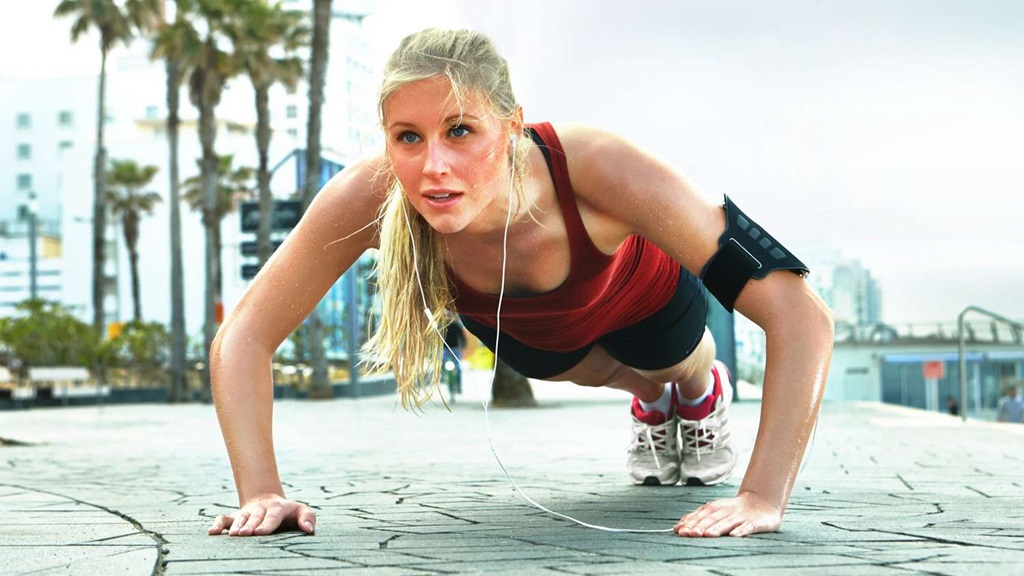
Working out is great for your health and fitness, but it can sometimes cause an uncomfortable side effect – a bright red, flushed face. This facial reddening is very common during exercise and can be perplexing and embarrassing. But what causes that crimson workout glow and is there anything you can do about it? Why does my face get so red when i workout? Let’s take a closer look at why your face turns red when you exercise.
What Causes Facial Flushing During Exercise?
There are a few key factors that cause your face to redden when you work out:
Increased Blood Flow
When you exercise, your heart rate goes up and your cardiovascular system starts pumping more oxygenated blood throughout your body to supply your working muscles. This includes increased blood flow to your face and head. The surge of blood flowing close to the surface of your facial skin makes it appear redder.
Blood Vessel Dilation
As part of the body’s temperature regulation system, blood vessels in the skin dilate (widen) during physical activity to allow more blood to flow through them and dissipate heat. This dilation is particularly noticeable in the many tiny capillaries of the face, again making it look redder.
Body Heat
Exercise causes your core temperature to rise. To cool yourself, your blood vessels dilate near the surface of the skin to release some of that heat. Your face is where this increased body heat becomes most visible.
Dehydration
Sweating during vigorous exercise can lead to dehydration. When you’re dehydrated, your blood thickens and flows less efficiently. This causes facial capillaries to dilate further in an attempt to deliver oxygen. The widened vessels appear as skin redness.
Blood Pressure
Physical activity temporarily causes your blood pressure to rise in order to pump more blood to working muscles. Higher blood pressure forces more blood into delicate facial capillaries, making them engorge and your complexion redden.
As you can see, the common thread is that exercise boosts blood flow and widens vessels in your face. This results in that telltale ruddy glow. But while annoying, it’s a harmless and natural side effect of exertion.
Why Does My Face Get So Red When I Workout?

You’ve probably noticed that during a workout your face looks like a stop sign while the rest of your body barely changes color. What gives?
It comes down to differences in skin thickness and blood vessel concentrations. Your facial skin is very thin, so blood is closer to the surface. Your face also has over 1000 capillaries per square inch of skin – much higher than the rest of your body. This dense vascular network fills with blood during activity, causing noticeable redness.
Plus, your body can cool itself by sweating – but your head and face have few sweat glands. So dilating blood vessels are the face’s main cooling mechanism, which shows increased redness. In contrast, your thicker-skinned, sweatier torso doesn’t need as much blood rushing to its surface to regulate temperature.
Are Certain People More Prone to Facial Reddening?
Yes, some individuals are simply more susceptible to flushing and blushing than others due to genetic factors.
Here are a few things that can cause you to be predisposed to a red face when exercising:
- Fair skin – Those with lighter skin have more visible capillaries near the surface that show reddening.
- Rosacea – This chronic skin condition triggers facial blood vessels to dilate more readily.
- Female sex – Women naturally have more blood vessels in the face than men.
- Menopause – Decreasing estrogen thins the skin and makes underlying blood vessels more obvious.
- Genetics – Some people inherit tendencies for the face to redden easily due to blood vessel configurations.
- Hot humid climate – Environmental heat causes reflex vasodilation. People native to hot, humid climates often have more reactive facial blood vessels.
If you have one or more of these traits, you may simply be wired to turn tomato-faced more easily during exercise due to enhanced blood flow responses. But being fitness-flushed isn’t harmful – just awkward.
Tips To Prevent A Red Face When Exercising
While you can’t change your genetics, here are some tips to help minimize a flushed, splotchy workout complexion:
1. Hydrate Properly
Drink plenty of water before, during, and after exercising to prevent dehydration and thicker blood flow. But avoid chilling your water – drinking very cold water can trigger facial blood vessels to dilate.
2. Cool Down
Splash your face with cool water after your workout. Applying a chilled wet towel to the face for a few minutes can also help constrict blood vessels and reduce redness.
3. Wear Lightweight, Breathable Fabrics
Choose workout clothes made of moisture-wicking technical fabrics to keep sweat from trapping heat on your skin and causing blood vessels to dilate.
4. Adjust Your Workout Intensity
High-intensity exercise causes the most flushing. Moderate your effort to keep your heart rate from spiking too drastically. Doing a proper warm-up can help here.
5. Acclimate to Heat
If exercising in hot, humid conditions causes pronounced reddening, spend a couple of weeks adjusting to the environment. This can minimize flare-ups in facial blood flow.
6. Shield Your Face

Wear a sweat-absorbing headband, hat, or face mask to help keep facial skin cooler. Just avoid restrictive fabrics that could overheat your head.
7. Use Facial Astringents
Applying an over-the-counter astringent containing witch hazel after working out can temporarily tighten and shrink blood vessels.
8. Try Facial Yoga
Gentle yoga-inspired facial exercises may help improve overall blood flow and tone blood vessels over time to reduce flushing. But more research is needed.
9. Consult a Dermatologist
For severe flushers, a dermatologist may recommend medications like beta blockers or a gentle laser treatment called IPL to minimize exercise-induced facial redness.
With some trial and error, you can hopefully find a few strategies that work for you to keep exercise-related skin redness at bay without disrupting your workout. And remember – a red face is the sign of a strong heart and lungs!
In Summary
It’s very common and harmless for your face to redden substantially during exercise due to increased blood flow, vessel dilation, body heat, dehydration, and blood pressure changes. Your facial skin shows this workout response more than your body because your head has denser capillaries closer to the surface along with fewer sweat glands. While annoying, exercise-induced facial flushing is a normal side effect for most people. Using the tips in this article can help diminish your red glow so you can reap the benefits of working out without being self-conscious about a tomato-hued complexion.
Common Follow-Up Questions
1. Is my red face during exercise dangerous?
No, short-term facial flushing from exercise is harmless and does not indicate any medical issues. It’s simply a visible effect of your heart working hard to pump oxygenated blood throughout your body. Unless accompanied by pain or dizziness, workout-related redness is not dangerous.
2. Can I prevent my face from turning red when I exercise?
It’s difficult to prevent exercise-induced facial flushing completely since it’s an innate response. But you can reduce the degree of redness by staying well hydrated, wearing breathable fabrics, cooling your face afterward, and avoiding extreme heat and high exertion levels. For some people, prescription medications may also minimize reddening.
3. How can I cover up my red exercise face?
To camouflage a red post-workout face, use a color-correcting green primer and foundation with yellow undertones to counteract the redness. A mineral powder can help absorb sweat and oil. And avoid rosy blush and bronzers that will magnify the red hues. Proper concealing techniques can hide your facial glow.
4. Why does my face stay red long after I finish exercising?
It’s normal for exercise-induced facial flushing to persist for up to two hours before fading. It takes time for your heart rate and blood pressure to come down, and for blood vessels to constrict back to their normal size. Cooling your face after working out will help speed up this process so you don’t stay beet-red for too long.
5. Does having a red face mean my workout was more effective?
Not necessarily. While a very red complexion does indicate your heart and lungs got a strong workout, you don’t have to have an ultra-flushed face to know you worked out intensely. Everyone’s blood vessel reactivity is different. Focus more on your exertion levels, heart rate, and calorie burn as gauges of workout efficacy rather than facial redness.
Sorry, the comment form is closed at this time.