


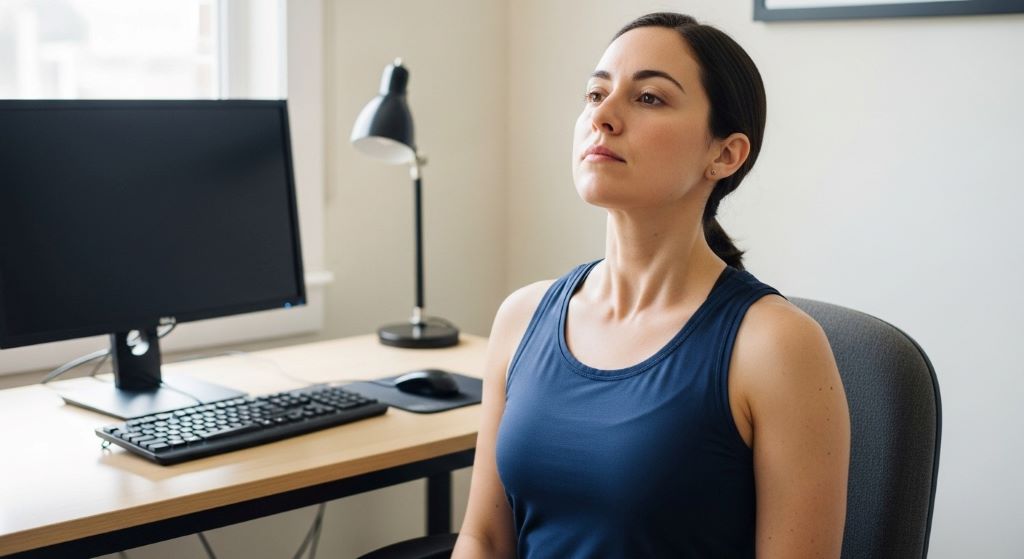
20 Jan How to Start Neck Hump Exercises Without Gym Equipment
A neck hump can affect your confidence and posture. Many people develop this condition from poor sitting habits and screen time. However, you don’t need expensive gym equipment to fix it. Simple exercises at home can help reduce and prevent neck humps effectively.
Understanding What Causes a Neck Hump
Before starting exercises, you should understand why neck humps form. Poor posture is the main culprit. When you slouch or lean forward for hours, your muscles adapt to this position. Additionally, looking down at phones and computers weakens neck muscles. Fat deposits can also accumulate in this area over time.
The medical term for this condition is dowager’s hump or buffalo hump. It appears as a rounded bump at the base of your neck. Therefore, addressing both posture and muscle strength is essential for improvement.
Preparing Your Body for Exercise
Starting any exercise routine requires preparation. First, assess your current posture by standing sideways in front of a mirror. Notice how far forward your head sits from your shoulders. This gives you a baseline to track progress.
Next, wear comfortable clothing that allows free movement. You don’t need special workout gear. Regular clothes work perfectly fine. Moreover, choose a quiet space where you can focus without distractions.
Warming up prevents injury and improves exercise effectiveness. Gently roll your shoulders backward ten times. Then, tilt your head side to side slowly. These simple movements prepare your muscles for the main exercises.
Chin Tucks: The Foundation Exercise
Chin tucks are fundamental for correcting forward head posture. This exercise strengthens the deep neck flexors that support proper alignment. Furthermore, you can do chin tucks anywhere, anytime.
Start by sitting or standing with your spine straight. Look straight ahead and keep your shoulders relaxed. Now, gently pull your chin backward as if making a double chin. Hold this position for five seconds, then release. Repeat this movement ten times.
Many people make the mistake of tilting their head up or down. Instead, keep your eyes level throughout the movement. Think of sliding your head straight back on a horizontal plane. Practice this exercise three times daily for best results.
Wall Angels for Upper Back Strength
Wall angels target the muscles between your shoulder blades. These muscles often become weak from slouching. Consequently, strengthening them helps pull your shoulders back naturally.
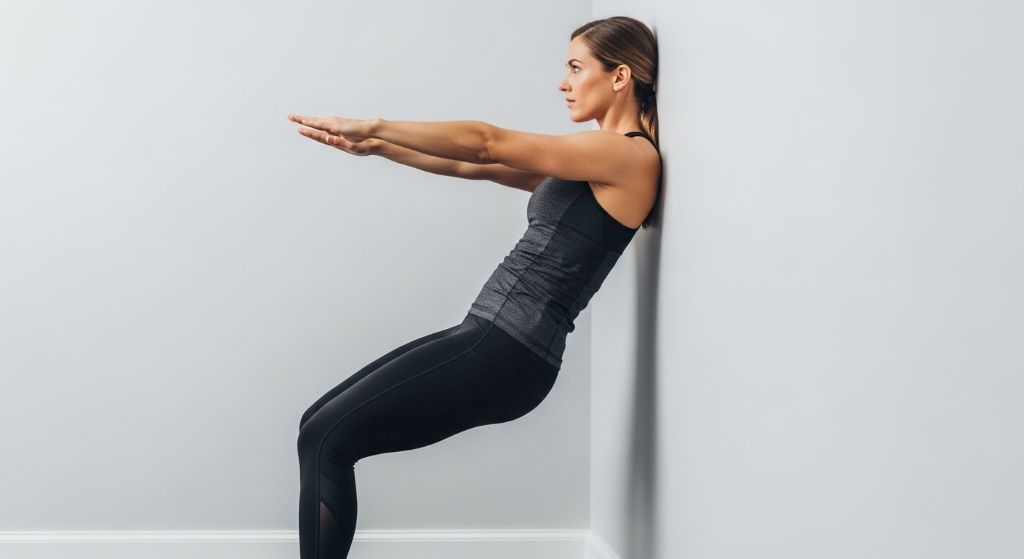
Stand with your back against a wall. Your head, shoulders, and buttocks should touch the wall. Place your arms against the wall in a goalpost position with elbows bent at ninety degrees. Slowly slide your arms up the wall while maintaining contact. Then, lower them back down.
Perform ten repetitions of this movement. Initially, you might find it challenging to keep everything touching the wall. However, regular practice improves your range of motion. Try doing wall angels twice daily.
Doorway Chest Stretches
Tight chest muscles pull your shoulders forward and worsen neck humps. Therefore, stretching your chest is crucial for balanced posture. Doorway stretches are particularly effective for opening up the front body.
Stand in a doorway and place your forearms on each side of the frame. Your elbows should be at shoulder height. Step one foot forward and lean gently into the stretch. You should feel a comfortable pull across your chest and shoulders.
Hold this stretch for thirty seconds and repeat three times. Additionally, you can adjust the intensity by stepping further forward or backward. Never bounce or force the stretch. Gentle, sustained pressure works best.
Neck Retraction Exercises
Neck retractions directly address the forward head position associated with neck humps. This exercise retrains your neck muscles to support proper alignment. Moreover, it can be done while sitting at your desk.
Sit upright and imagine a string pulling the top of your head toward the ceiling. Keep your chin level and gently pull your head straight back. Your ears should move backward over your shoulders. Hold for ten seconds, then relax.
Repeat this exercise fifteen times. You might feel some muscle engagement at the base of your skull. This indicates the correct muscles are working. Practice neck retractions every hour if you work at a computer.
According to research from the Cleveland Clinic, maintaining proper posture throughout the day significantly reduces neck and back problems.
Prone Cobra Position
The prone cobra strengthens your entire posterior chain. This includes your upper back, lower back, and neck extensors. Additionally, this exercise requires no equipment whatsoever.
Lie face down on the floor with your arms at your sides, palms facing down. Squeeze your shoulder blades together and lift your chest off the ground. Simultaneously, turn your palms outward and thumbs up. Your head should stay in a neutral position aligned with your spine.
Hold this position for fifteen seconds initially. As you get stronger, increase the hold time to thirty seconds. Perform three repetitions daily. This exercise might feel challenging at first, but it becomes easier with consistency.
Shoulder Blade Squeezes
Shoulder blade squeezes are simple yet highly effective. They activate the rhomboid muscles that counteract slouching. Furthermore, you can do them while watching television or during work breaks.
Sit or stand with your arms relaxed at your sides. Imagine holding a pencil between your shoulder blades. Squeeze your shoulder blades together toward your spine without raising your shoulders. Hold for five seconds, then release.
Complete twenty repetitions of this exercise. You should feel your upper back muscles working. Many people unconsciously shrug their shoulders upward during this movement. Therefore, focus on moving only your shoulder blades backward, not upward.
Creating a Sustainable Routine
Consistency matters more than intensity when correcting posture issues. Start with five to ten minutes of exercises daily. Gradually increase duration as the movements become easier. Additionally, spread exercises throughout your day rather than doing everything at once.
Morning sessions help establish good posture for the day ahead. Evening exercises release tension accumulated during work. Setting phone reminders ensures you don’t forget your routine. However, listen to your body and avoid pushing through pain.
Track your progress by taking weekly photos from the side. Small improvements become visible over several weeks. Therefore, patience and persistence are essential virtues in this journey.
The Mayo Clinic emphasizes that proper posture reduces strain on muscles and ligaments while preventing fatigue.
Lifestyle Adjustments That Support Your Exercises
Exercises alone won’t eliminate neck humps if your daily habits work against them. Adjust your computer screen to eye level. This prevents constant downward looking. Additionally, take breaks every thirty minutes to stand and stretch.
Choose a supportive pillow that keeps your neck aligned while sleeping. Sleeping on your back is generally better than stomach sleeping for neck health. Moreover, stay hydrated because muscles function better when properly hydrated.
Maintain awareness of your posture throughout the day. When you catch yourself slouching, correct it immediately. Eventually, good posture becomes automatic through mindful practice.
Measuring Your Progress
Progress happens gradually with postural corrections. Measure improvement through multiple indicators beyond just appearance. Notice if you experience less neck pain or fewer headaches. Additionally, check if you can hold good posture longer without effort.
Use a measuring tape to track the actual hump size monthly. Stand against a wall and have someone measure from the wall to the most prominent part of your hump. Record these measurements to see objective changes over time.
Flexibility improvements also indicate progress. Can you complete wall angels more easily? Does the doorway stretch feel different? These functional improvements matter just as much as cosmetic changes.
Conclusion
Starting neck hump exercises without gym equipment is entirely possible and highly effective. Simple movements like chin tucks, wall angels, and chest stretches address the root causes of poor posture. Consistency and proper form matter more than having fancy equipment. By dedicating just ten minutes daily to these exercises and making smart lifestyle adjustments, you can significantly reduce your neck hump. Remember that patience is essential because postural changes take time. Start today with one or two exercises and gradually build your routine for lasting results.
Frequently Asked Questions
How long does it take to see results from neck hump exercises?
Most people notice improvements within four to six weeks of consistent daily practice. However, significant visible changes typically take two to three months. Your individual timeline depends on the severity of your neck hump and how consistently you perform the exercises.
Can neck hump exercises completely eliminate the bump?
Exercises can significantly reduce neck humps caused by poor posture and weak muscles. However, bumps caused by bone spurs or certain medical conditions may require additional treatment. Consult a healthcare provider if you don’t see improvement after three months of dedicated exercise.
How often should I do neck hump exercises?
Perform these exercises daily for best results. You can split them into multiple short sessions throughout the day. Consistency matters more than duration, so even ten minutes daily beats one long weekly session.
Are neck hump exercises safe for everyone?
These exercises are generally safe for most people. However, if you have existing neck injuries, severe osteoporosis, or chronic pain conditions, consult a physical therapist or doctor first. Stop any exercise that causes sharp pain or numbness.
Do I need to continue exercises after my neck hump improves?
Yes, maintaining your results requires ongoing effort. Once your neck hump reduces, you can decrease frequency to three or four times weekly. However, continuing basic exercises prevents recurrence and maintains good posture long-term.
Related Topics:
Why SMARTfit Can Help Reduce Brain Fog
Tips for Improving Communication for Seniors With Hearing Difficulties
Sorry, the comment form is closed at this time.