


12 Aug Can Fleas Lay Eggs in Human Hair?
Picture this: you’re sitting on your couch, enjoying a peaceful evening at home when suddenly, you feel a persistent itch on your scalp. You scratch your head, hoping it’s just a random itch, but it persists. Thoughts start racing through your mind: Could it be fleas? Can fleas lay eggs in human hair? In this article, we’ll delve into this topic and uncover the truth behind these pesky parasites and their ability to reproduce in our lovely locks.
The Intricacies of Fleas
Before we dive into the main question, let’s understand a bit more about fleas. Fleas are small, wingless insects that feed on the blood of mammals and birds. While they are typically associated with infesting pets, such as dogs and cats, they can also become a nuisance for humans. Fleas have specially adapted mouthparts for piercing the skin and sucking blood, making them excellent parasites. Discover what do fleas look like.
The Flea Life Cycle
To better comprehend the likelihood of fleas laying eggs in human hair, we must first grasp their life cycle. The life cycle of a flea consists of four stages: egg, larva, pupa, and adult. Female fleas lay their eggs on the host animal, typically in the fur or feathers. However, they are not limited to these locations.
Stage 1: Eggs
Flea eggs are small, oval-shaped, and about 0.5mm in size. The female flea can lay up to 50 eggs per day, and they often scatter throughout the environment, including carpets, bedding, and upholstery. These eggs are not sticky and can easily fall off the host, spreading the infestation.
Stage 2: Larvae
Once the eggs hatch, larvae emerge. Flea larvae are tiny, worm-like creatures that feed on organic matter, including flea feces and other debris found in their surroundings. They avoid light and prefer dark, humid environments, making them challenging to spot.
Stage 3: Pupae
After the larval stage, the flea larvae spin cocoons and enter the pupal stage. During this phase, the flea undergoes metamorphosis, developing into an adult. Pupae are enclosed in a protective cocoon, making them resistant to insecticides and difficult to eliminate.
Stage 4: Adults
Finally, the adult fleas emerge from their cocoons, ready to infest their host. Once they find a suitable host, they begin feeding and mating, starting the cycle anew.
Fleas and Human Hair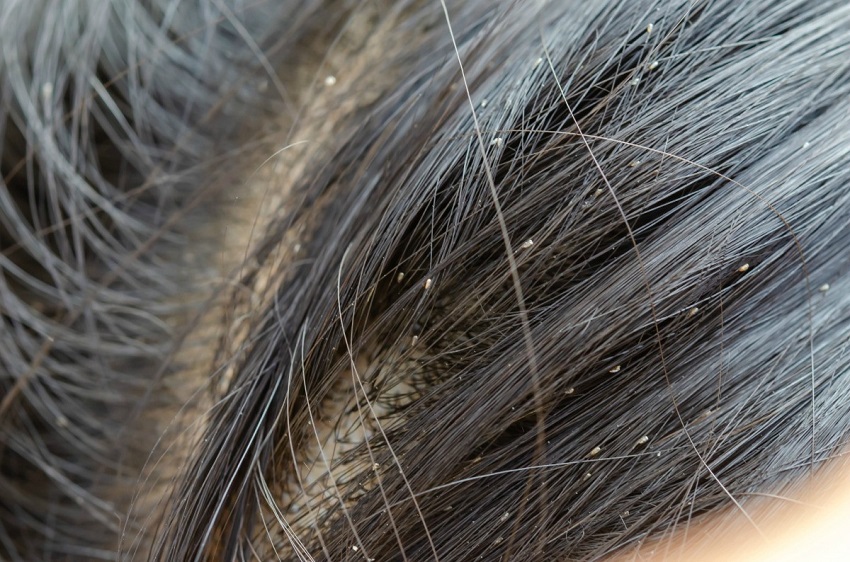
Now that we understand the life cycle of fleas, let’s address the burning question: Can fleas lay eggs in human hair? The short answer is no. While fleas can indeed jump onto human hair, lay eggs directly in the hair strands is highly unlikely.
Fleas have evolved to infest animals with fur or feathers, as these provide a conducive environment for their life cycle. Human hair lacks the necessary characteristics for fleas to lay eggs and complete their life cycle. Unlike the furry coats of animals, human hair is typically too thin and closely attached to the scalp, leaving no space for fleas to lay their eggs.
However, it’s essential to note that fleas can still be a nuisance to humans. They can bite, causing itchy red welts and an allergic reaction in some individuals. Flea bites on the scalp may lead to excessive scratching, which can result in secondary infections or skin irritations. Therefore, it’s crucial to address any flea infestations promptly and take preventive measures to avoid future encounters.
How Fleas Infest Humans
Although fleas might not lay eggs in human hair, they can still find their way onto our bodies. Fleas typically infest humans through close contact with infested pets or environments. If you have a pet that has fleas, they may jump onto your clothing or skin and hitch a ride into your home. Fleas can also be present in areas where infested animals have been, such as carpets, furniture, or even grassy outdoor spaces.
It’s essential to remember that while fleas prefer animals as hosts, they are opportunistic and will feed on humans if the opportunity arises. Therefore, if you suspect a flea infestation, it’s crucial to take thorough measures to eliminate them from your home, including treating your pets, washing bedding and clothing, and utilizing appropriate flea control methods.
Conclusion
In conclusion, fleas can cause significant discomfort and annoyance to both humans and animals. While they do not lay eggs in human hair, they can still bite and cause itching and other skin reactions. Understanding the flea life cycle and taking preventive measures is essential in preventing and addressing infestations.
Remember, maintaining good hygiene, regularly treating your pets for fleas, and keeping your living environment clean and well-maintained are key steps to minimize the risk of encountering these persistent pests.
Frequently Asked Questions (FAQs)
- Can fleas transmit diseases to humans?
Yes, fleas can transmit diseases to humans, such as bubonic plague and murine typhus. However, these cases are rare and typically occur in specific regions or circumstances.
- Can fleas infest my home without pets?
While fleas are often associated with infested pets, they can infest homes even without pets. Fleas can be brought indoors through clothing or by hitching a ride on other animals, such as rodents.
- How can I prevent flea infestations?
To prevent flea infestations, regularly treat your pets with flea control products, keep your home clean and vacuumed, wash pet bedding frequently, and consider using flea preventive measures in your yard or outdoor areas.
- Can fleas survive in extreme temperatures?
Fleas prefer warm and humid environments, but they can survive in a range of temperatures. Extreme cold or heat can kill fleas, but they have mechanisms to adapt and survive in various conditions.
- Are there natural remedies for flea control?
Some natural remedies, such as diatomaceous earth, essential oils, or herbal flea collars, may help repel or control fleas to some extent. However, it’s important to research and use these methods with caution, as their effectiveness can vary.
Sorry, the comment form is closed at this time.