


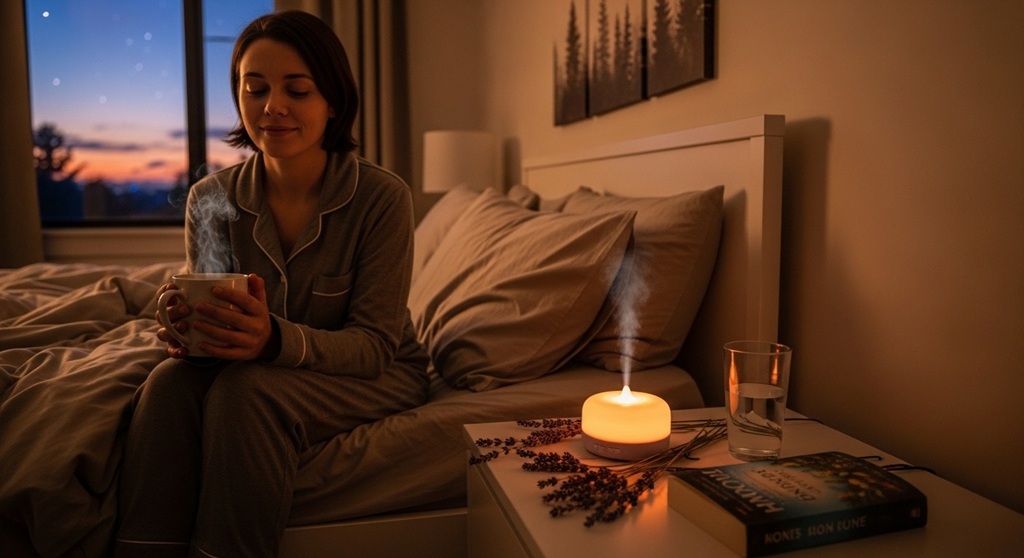
07 Mar How to Reduce Anxiety Before Bed Naturally (Proven Techniques)
Do you often find yourself lying awake at night, your mind racing with thoughts, worries, and stress? You’re not alone. Anxiety before bed is a common issue for many people, affecting both their sleep quality and overall well-being. In fact, research shows that over 30% of adults report having trouble falling asleep due to anxiety. The good news is, there are natural and proven techniques that can help you reduce anxiety before bed and improve your sleep.
In this article, we’ll explore effective strategies to calm your mind, relax your body, and enjoy a peaceful night’s sleep. Whether you’re struggling with racing thoughts or physical tension, the methods shared here are simple, science-backed, and accessible to anyone seeking relief from bedtime anxiety.
1. What Are the Common Causes of Anxiety Before Bed?
Snippet Answer: Anxiety before bed is often caused by stress, overwhelming thoughts, or poor sleep hygiene. Identifying and addressing the root cause can help alleviate the anxiety.
Many people experience anxiety before bed due to various factors, including:
- Stress: Work, family, or personal challenges can trigger anxiety, especially at night when there’s less distraction.
- Overthinking: Racing thoughts or excessive worrying about the future, past mistakes, or upcoming events often create an anxious state.
- Poor Sleep Hygiene: Irregular sleep schedules, too much screen time, or consuming caffeine late in the day can disrupt your ability to fall asleep.
- Health Issues: Conditions like insomnia, depression, or other mental health disorders can contribute to nighttime anxiety.
2. How Can You Use Breathing Exercises to Reduce Anxiety at Night?
Snippet Answer: Deep breathing exercises help activate the parasympathetic nervous system, which promotes relaxation and reduces anxiety before bed.
Breathing exercises are a simple yet highly effective technique for calming anxiety before bed. One of the most popular methods is the 4-7-8 breathing technique, which can help you relax and fall asleep faster.
- 4-7-8 Breathing Technique: Inhale through your nose for 4 seconds, hold your breath for 7 seconds, and exhale slowly through your mouth for 8 seconds. Repeat this cycle 4-5 times.
- Box Breathing: Inhale for 4 seconds, hold for 4, exhale for 4, and hold for 4. This technique helps center your thoughts and focus on your breath.
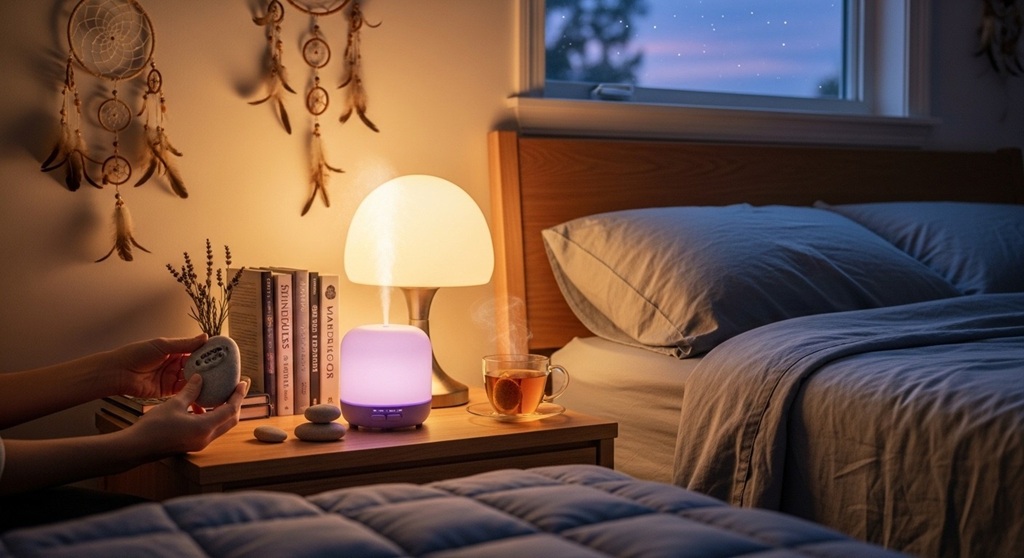
3. How Can Meditation and Mindfulness Help with Nighttime Anxiety?
Snippet Answer: Meditation and mindfulness techniques can help you become more aware of your thoughts and emotions, reducing stress and anxiety before bed.
Meditation is an excellent way to alleviate anxiety before sleep. It encourages mindfulness, which allows you to focus on the present moment, breaking the cycle of overthinking. Here are a few techniques to try:
- Guided Meditation: Listening to calming voice recordings can guide you through relaxation exercises, helping you release tension and stress.
- Body Scan Meditation: Focus on each part of your body, from head to toe, and consciously release tension as you go.
- Mindful Breathing: Sit quietly and focus on your breath, observing it without judgment. This practice trains your mind to stay present and reduces anxiety.
4. What Are the Best Relaxing Bedtime Rituals to Combat Anxiety?
Snippet Answer: Creating a relaxing bedtime routine, such as reading, taking a warm bath, or listening to soothing music, can signal your body to wind down and reduce anxiety.
Developing a calming bedtime ritual is a great way to reduce anxiety and prepare your body for restful sleep. Some soothing rituals include:
- Reading a Book: Choose a calming, non-stimulating book to unwind your mind. Avoid action-packed novels or news articles that may trigger stress.
- Taking a Warm Bath: A warm bath can relax muscles and lower your body’s stress levels, helping to alleviate anxiety.
- Listening to Soothing Music: Music with a slow tempo, like classical or nature sounds, can induce relaxation and help lower anxiety.
5. How Can Herbal Teas Help Reduce Anxiety at Night?
Snippet Answer: Certain herbal teas, such as chamomile, lavender, and valerian root, have natural sedative properties that can help calm your nerves before bedtime.
Drinking a cup of herbal tea before bed can promote relaxation and reduce anxiety. Some of the most popular teas for bedtime anxiety include:
- Chamomile: Known for its calming effects, chamomile tea can reduce stress and help with sleep.
- Lavender: Lavender has natural sedative properties and can help ease anxiety and improve sleep quality.
- Valerian Root: Valerian is a popular herb used to reduce anxiety and promote better sleep.
6. What Are the Benefits of Aromatherapy for Reducing Anxiety Before Bed?
Snippet Answer: Aromatherapy with essential oils like lavender, bergamot, and sandalwood can promote relaxation and reduce anxiety before bedtime.
Aromatherapy is another effective, natural method for reducing anxiety before bed. Essential oils can be used in a variety of ways, such as:
- Diffusing Essential Oils: Use a diffuser to release calming scents like lavender or bergamot into the air, helping to create a tranquil atmosphere.
- Topical Application: Apply diluted essential oils to pulse points like your wrists or temples for a direct calming effect.
- Bath Soaks: Add a few drops of essential oil to a warm bath for a full-body relaxation experience.
7. How Does Exercise Impact Nighttime Anxiety?
Snippet Answer: Regular exercise helps reduce anxiety by releasing endorphins, but avoid intense workouts close to bedtime, as they can have the opposite effect.
Exercise is a well-known way to reduce stress and anxiety, and it can be particularly effective when done earlier in the day. Exercise helps release endorphins, which are natural mood elevators. However, try to avoid strenuous exercise within 2-3 hours of bedtime, as it may increase heart rate and make it harder to relax.
Conclusion
In conclusion, reducing anxiety before bed naturally is achievable with the right techniques and habits. By incorporating practices like breathing exercises, meditation, herbal teas, aromatherapy, and relaxation rituals into your nightly routine, you can reduce stress and enjoy a more restful night’s sleep. Remember, consistency is key, and by practicing these techniques regularly, you’ll start to notice significant improvements in your sleep and anxiety levels.
If you’re tired of battling anxiety before bed, it’s time to take action. Start incorporating these techniques into your routine tonight, and you’ll soon experience a more peaceful, anxiety-free sleep.
FAQ Section
1. What are the best natural remedies for anxiety before bed?
The best natural remedies for anxiety before bed include deep breathing exercises, meditation, herbal teas like chamomile or lavender, and aromatherapy with essential oils like lavender.
2. Can exercise help reduce anxiety before bed?
Yes, regular exercise helps release endorphins that promote relaxation. However, avoid intense exercise close to bedtime, as it can increase your heart rate and make it harder to fall asleep.
3. Is meditation effective for reducing nighttime anxiety?
Yes, meditation is a powerful tool for reducing anxiety. Practices like mindfulness and guided meditation can help you relax, focus, and release stress before bedtime.
4. How does breathing help with anxiety before bed?
Breathing exercises, such as the 4-7-8 technique, activate the parasympathetic nervous system, promoting relaxation and reducing anxiety, making it easier to fall asleep.
5. Are there any foods or drinks that help with bedtime anxiety?
Herbal teas like chamomile, lavender, and valerian root are known for their calming effects. A warm glass of milk may also help promote sleep by increasing serotonin levels.
Read More Also: How to Improve Skin Health with Shiitake Mushroom Antioxidants
Find out: How to Save Space with a Baby Swing: Smart Solutions for Small Homes
Sorry, the comment form is closed at this time.