


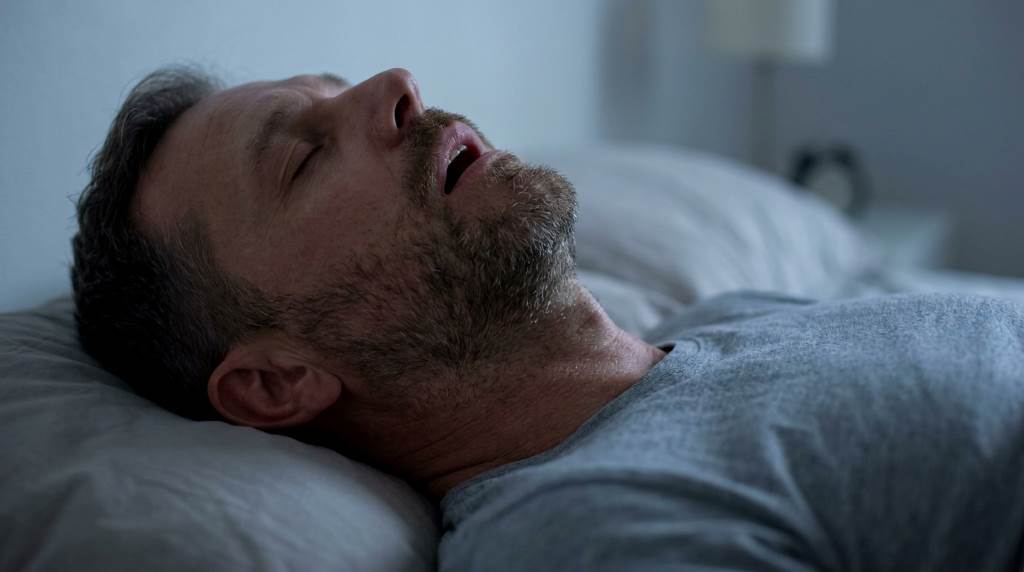
09 Jun How to Stop Snoring: Effective Solutions
Snoring affects millions of people worldwide and often disrupts sleep quality for both the person snoring and their partner. According to the American Academy of Sleep Medicine, nearly 40% of adult men and 24% of adult women snore regularly. In addition, studies show that chronic snoring may contribute to daytime fatigue, reduced concentration, and relationship stress. Understanding how to stop snoring can significantly improve overall well-being and help create a more restful sleep environment. This guide explores practical strategies, lifestyle changes, and medical options that can help reduce or eliminate snoring naturally and effectively.
Understanding Why Snoring Happens
Before learning how to stop snoring, it helps to understand what causes it. Snoring occurs when air struggles to move freely through the airway during sleep. As a result, surrounding tissues vibrate and create the familiar snoring sound. Several factors can contribute to this condition, including weight gain, nasal congestion, and sleep position.
People often overlook small lifestyle habits that contribute to nighttime breathing issues. For example, sleeping in cluttered spaces can affect comfort and sleep quality. Creating a more organized bedroom environment may support better rest, similar to the practical ideas discussed in how to save space. Although organization alone will not eliminate snoring, a comfortable sleep environment supports healthy sleep habits.
Some individuals experience occasional snoring, while others deal with it every night. Persistent snoring may indicate an underlying issue that requires attention. Therefore, identifying the root cause remains the first step toward finding the right solution.
Common Causes of Snoring
Excess Body Weight
Extra fat around the neck can place pressure on the airway. Consequently, airflow becomes restricted during sleep. Even moderate weight gain may increase snoring frequency. Losing weight often leads to noticeable improvements.
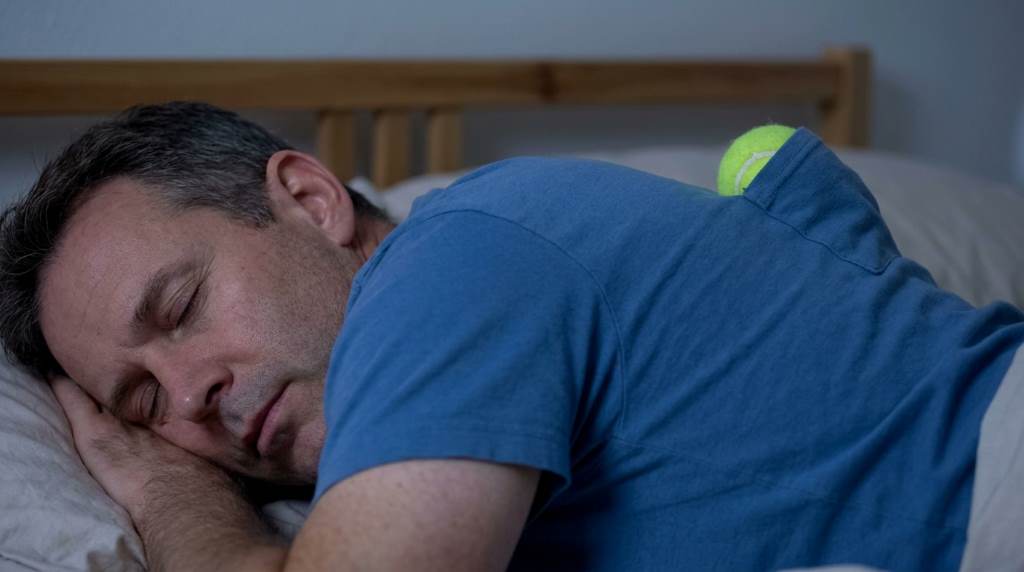
Sleeping on Your Back
Back sleeping allows the tongue and soft tissues to fall toward the throat. This position narrows the airway and increases vibrations. Many people notice reduced snoring when they sleep on their side. Therefore, changing sleep position can provide immediate benefits.
Nasal Congestion
Blocked nasal passages force people to breathe through their mouths. This situation increases the likelihood of snoring. Allergies, colds, and sinus problems commonly contribute to nasal blockage. Addressing congestion often improves nighttime breathing.
Alcohol Consumption
Alcohol relaxes throat muscles before bedtime. As a result, airway tissues become more likely to collapse during sleep. Reducing evening alcohol intake can help decrease snoring. Many people see improvements within a few weeks.
Sleep Apnea
Sometimes snoring signals a more serious condition known as sleep apnea. This disorder causes repeated breathing interruptions throughout the night. Individuals with sleep apnea often wake feeling tired despite sleeping for several hours. Professional evaluation becomes essential when symptoms appear severe.
Lifestyle Changes That Help Reduce Snoring
If you want to know how to stop snoring naturally, lifestyle improvements should be your starting point. Many people achieve significant results without medication or surgery. Consistency remains the key factor for success. Small daily adjustments often produce long-term benefits.
Maintain a Healthy Weight
Weight management remains one of the most effective snoring solutions. Excess tissue around the throat can restrict airflow and increase airway resistance. Therefore, combining regular exercise with balanced nutrition may help reduce snoring. Even a modest weight loss can make a noticeable difference.
Exercise Regularly
Physical activity strengthens muscles throughout the body, including those involved in breathing. Stronger throat muscles are less likely to collapse during sleep. Walking, cycling, and swimming all provide excellent benefits. Regular exercise also improves overall sleep quality.
Avoid Smoking
Smoking irritates airway tissues and causes inflammation. Consequently, swelling increases airflow resistance during sleep. Quitting smoking may reduce snoring and improve respiratory health. Additionally, it offers numerous long-term health advantages.
Limit Alcohol Before Bed
Alcohol consumption within a few hours of bedtime often worsens snoring. Relaxed throat muscles create additional airway obstruction. Therefore, avoiding alcohol in the evening may help reduce symptoms. Many sleep specialists recommend stopping alcohol intake at least three hours before bedtime.
Improve Your Sleep Habits
Healthy sleep habits play a major role in managing snoring. Many people focus only on physical causes while ignoring sleep hygiene. However, better nighttime routines often support long-term improvement. Learning how to stop snoring involves addressing both behavior and environment.
Anxiety and stress can interfere with deep, restorative sleep. Developing calming bedtime routines may improve breathing patterns and overall sleep quality. Helpful techniques can be found in how to reduce anxiety, which highlights simple ways to relax before bedtime.
Stick to a Consistent Sleep Schedule
Going to bed and waking up at the same time each day helps regulate sleep cycles. Irregular sleep patterns can increase fatigue and worsen snoring. Therefore, maintaining consistency supports healthier sleep. It also improves overall energy levels.
Get Enough Sleep
Sleep deprivation often causes throat muscles to become excessively relaxed. As a result, snoring may become louder and more frequent. Adults generally need seven to nine hours of sleep each night. Prioritizing adequate rest can reduce symptoms.
Elevate Your Head
Raising the head slightly can improve airflow through the airway. Some people achieve this by using specialized pillows. Others elevate the head of the bed itself. This simple adjustment may reduce nighttime vibrations.
Natural Remedies That May Help
Several natural approaches can complement other snoring treatments. Although results vary, many people find these methods useful. Combining multiple strategies often provides the best outcomes. Consistency remains important for lasting improvements.
Certain bedtime beverages may promote relaxation and support better sleep quality. For example, understanding how long to steep green tea properly may help create a calming evening routine without excessive caffeine intake.
Stay Hydrated
Dehydration can cause secretions in the nose and throat to become thicker. This situation increases friction and promotes snoring. Drinking sufficient water throughout the day supports smoother airflow. Proper hydration also benefits overall health.
Use a Humidifier
Dry indoor air may irritate nasal and throat tissues. A humidifier adds moisture to the air and may reduce irritation. Consequently, breathing becomes more comfortable during sleep. This solution works particularly well in dry environments.
Practice Throat Exercises
Specific exercises can strengthen muscles involved in breathing. Stronger muscles help maintain an open airway during sleep. Examples include repeating vowel sounds and tongue exercises. Research suggests these exercises may reduce snoring intensity over time.
Medical Treatments for Persistent Snoring
Sometimes lifestyle changes alone do not solve the problem. In these cases, medical treatment may be necessary. Healthcare professionals can identify underlying causes and recommend appropriate solutions. Early intervention often prevents complications.
Oral Appliances
Dentists can provide custom devices designed to keep the airway open. These appliances reposition the jaw and tongue during sleep. As a result, airflow improves significantly. Many patients experience reduced snoring after consistent use.
Continuous Positive Airway Pressure (CPAP)
CPAP therapy remains the gold standard treatment for sleep apnea. The machine delivers a steady stream of air through a mask. This airflow prevents airway collapse throughout the night. Consequently, both snoring and breathing interruptions decrease.
Nasal Treatments
Doctors may recommend nasal sprays, allergy medications, or corrective procedures. These treatments help improve airflow through the nasal passages. Better nasal breathing often reduces snoring severity. The best option depends on the underlying cause.
Surgical Options
In severe cases, surgery may help remove excess tissue or correct structural problems. Procedures vary depending on the source of airway obstruction. Although surgery is usually a last resort, it can provide lasting relief. Patients should discuss risks and benefits with a specialist.
When to See a Doctor
Not every case of snoring requires medical attention. However, certain symptoms suggest a more serious issue. Recognizing these warning signs helps protect long-term health. Professional evaluation becomes important when symptoms persist.
- Frequent pauses in breathing during sleep
- Excessive daytime sleepiness
- Morning headaches
- Difficulty concentrating
- High blood pressure
- Loud and chronic snoring
If you experience these symptoms, consult a healthcare provider promptly. Sleep studies can identify conditions such as obstructive sleep apnea. Early diagnosis often leads to more effective treatment. Better sleep can improve overall quality of life.
Daily Habits for Long-Term Success
People who successfully learn how to stop snoring usually combine multiple strategies. No single solution works for everyone. Therefore, patience and consistency are essential. Small improvements often add up over time.
- Maintain a healthy weight
- Sleep on your side
- Stay hydrated daily
- Avoid alcohol before bed
- Exercise regularly
- Treat allergies promptly
- Follow a consistent sleep schedule
These habits not only reduce snoring but also improve overall sleep quality. Better sleep supports mental focus, energy levels, and physical health. As a result, the benefits extend far beyond quieter nights. Long-term commitment delivers the best results.
Conclusion
Learning how to stop snoring requires understanding the cause and choosing the right combination of solutions. Lifestyle improvements, better sleep habits, natural remedies, and medical treatments can all contribute to lasting relief. Moreover, consistent effort often produces meaningful results over time. If snoring continues despite your efforts, consult a healthcare professional for a thorough evaluation. Start implementing these proven strategies today and enjoy quieter nights, better sleep, and improved overall health.
Frequently Asked Questions
Can losing weight stop snoring?
Yes, losing excess weight often reduces pressure on the airway and decreases snoring.
Is snoring always a sign of sleep apnea?
No, but chronic loud snoring can sometimes indicate sleep apnea and should be evaluated.
Does sleeping position affect snoring?
Yes, sleeping on your side often reduces airway obstruction and minimizes snoring.
Can throat exercises help reduce snoring?
Yes, regular throat exercises may strengthen airway muscles and reduce snoring intensity.
What is the fastest way to reduce snoring?
Changing sleep position, reducing alcohol intake, and clearing nasal congestion may provide quick relief.
Sorry, the comment form is closed at this time.