



18 Nov Understanding Pain Management: How Clinics Provide Long-Term Relief Without Surgery
Chronic pain affects more than 50 million adults in the United States alone, according to the CDC’s 2023 report. Yet many people believe surgery is their only option for lasting relief. The truth is different. Today, cutting-edge pain clinics offer proven, non-surgical solutions that target the root causes of pain and help patients reclaim their lives. In this comprehensive guide, you’ll learn exactly how modern pain management specialists achieve long-term results without ever picking up a scalpel. Moreover, you’ll discover practical strategies backed by the latest research.
What Is Chronic Pain and Why Does It Persist?
Chronic pain lasts longer than three to six months. It often continues even after the original injury heals. Doctors now understand that persistent pain involves complex changes in the nervous system, not just tissue damage.
For instance, the brain and spinal cord can become hypersensitive. This phenomenon, called central sensitization, amplifies pain signals. As a result, light touch can feel excruciating. Additionally, inflammation, poor sleep, stress, and muscle guarding create a vicious cycle that keeps pain alive.
The Old Approach vs. the New Multimodal Model
Years ago, doctors relied heavily on opioid medications or recommended surgery quickly. However, both options carry significant risks. Opioids can lead to dependence, while surgery doesn’t always succeed—studies show up to 40% of spinal fusion patients still experience significant pain five years later.
In contrast, leading pain management clinics now follow an interdisciplinary, multimodal approach. They combine multiple evidence-based therapies to address biological, psychological, and social aspects of pain. Consequently, patients achieve better outcomes with fewer side effects.
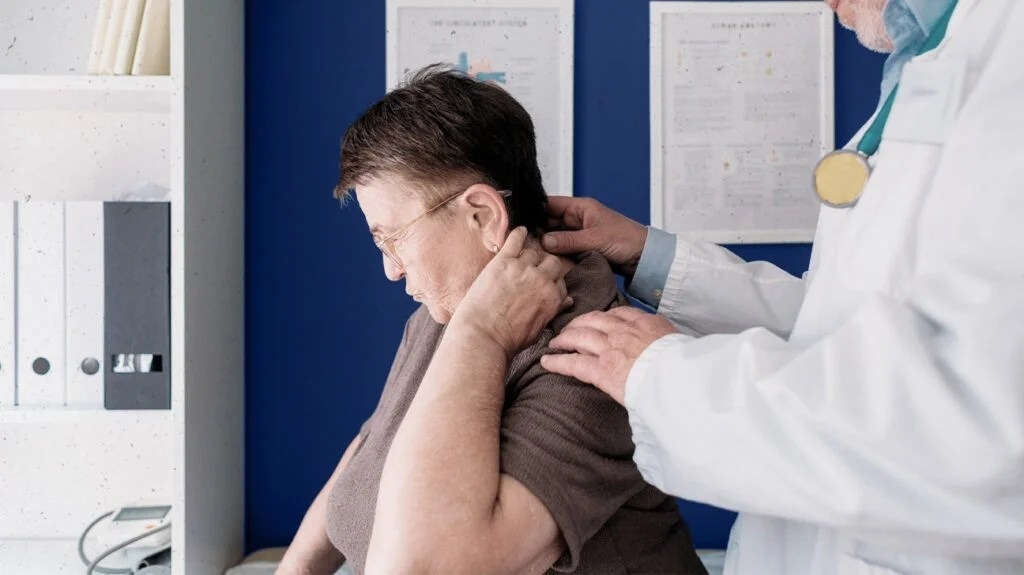
How Pain Management Clinics Assess Patients Thoroughly
Successful treatment begins with accurate diagnosis. Top clinics never treat pain as a single symptom.
During the first visit, specialists perform:
- A detailed medical history review
- Physical and neurological examinations
- Review of previous imaging (MRI, CT, X-ray)
- Functional movement assessments
- Psychological screening for mood and coping styles
Furthermore, many clinics use quantitative sensory testing or diagnostic nerve blocks to pinpoint pain generators precisely. This thorough evaluation ensures every treatment targets the real problem.
Top Non-Surgical Treatments That Deliver Long-Term Relief
1. Regenerative Medicine Therapies
Clinics increasingly offer platelet-rich plasma (PRP) and stem cell injections. These treatments use the patient’s own cells to reduce inflammation and stimulate tissue repair.
Recent 2024 meta-analyses in the Journal of Orthopaedic Research show PRP provides significant pain reduction for knee osteoarthritis lasting 12–24 months. Similarly, bone marrow aspirate concentrate demonstrates promising results for disc-related back pain.
2. Advanced Interventional Procedures
Precision-guided injections have evolved dramatically.
Common procedures include:
- Epidural steroid injections with transforaminal approach
- Radiofrequency ablation of sensory nerves (provides 9–24 months relief)
- Spinal cord stimulation trials (up to 70% success in failed back surgery syndrome)
- Cooled radiofrequency for sacroiliac joint pain
- Genicular nerve blocks and ablation for chronic knee pain
Because doctors now use live ultrasound or fluoroscopy, accuracy exceeds 95%, minimizing risks.
3. Neuromodulation Techniques
Spinal cord stimulators and peripheral nerve stimulators have improved dramatically with high-frequency and burst waveforms. Patients often report 50–80% pain reduction and decreased medication use. Newer closed-loop systems automatically adjust stimulation based on body position.
4. Comprehensive Physical Rehabilitation
Movement remains medicine. However, generic physical therapy rarely helps chronic pain.
Specialized programs include:
- Graded motor imagery and mirror therapy for CRPS
- McKenzie Method or directional preference therapy for spinal pain
- Dry needling and manual therapy by certified practitioners
- Aquatic therapy for fibromyalgia and arthritis
- Functional restoration programs that simulate work tasks
Patients who complete structured rehab see 60–70% improvement in function, according to European pain guidelines.
5. Mind-Body Interventions
The brain plays a central role in pain perception. Therefore, clinics integrate proven psychological approaches.
Evidence-based options include:
- Cognitive Behavioral Therapy for pain (CBT-CP)
- Acceptance and Commitment Therapy (ACT)
- Mindfulness-Based Stress Reduction (MBSR)
- Biofeedback and neurofeedback training
- Trauma-informed care for patients with PTSD-related pain
A 2024 Cochrane review confirms that psychological therapies produce moderate to large reductions in pain intensity when combined with medical care.
6. Lifestyle and Nutritional Optimization
Inflammation drives many pain conditions. Clinics now employ registered dietitians who create anti-inflammatory eating plans rich in omega-3s, antioxidants, and polyphenols.
Moreover, sleep specialists address insomnia—a factor present in 80% of chronic pain patients. Simple changes like consistent sleep schedules and cognitive behavioral therapy for insomnia (CBT-I) dramatically improve pain thresholds.
The Power of Personalized Pain Plans
No two patients share the exact same pain biology. Therefore, the best clinics create individualized roadmaps.
A typical long-term plan might include:
- Initial interventional procedure for rapid relief
- Regenerative injection series
- 12-week functional restoration program
- Eight sessions of CBT or ACT
- Nutritional counseling and sleep optimization
- Quarterly follow-up with adjustments
Patients who follow comprehensive plans achieve 70–90% success rates in reducing pain below 3/10 and returning to meaningful activities.
Real Patient Success Stories
Sarah, a 48-year-old teacher, suffered debilitating lower back pain for seven years after a car accident. Three surgeons recommended fusion. Instead, she chose a multidisciplinary pain clinic. Over 10 months, she received radiofrequency ablation, PRP injections, ACT therapy, and graded exercise. Today she teaches full-time without opioids and reports her pain at 1–2/10 on most days.
Mark, a 62-year-old veteran with knee osteoarthritis, avoided replacement surgery through genicular nerve radiofrequency ablation combined with physical therapy and weight loss coaching. Two years later, he still hikes with his grandchildren.
Emerging Treatments on the Horizon
Research continues to expand options. Basivertebral nerve ablation for chronic low back pain of disc origin now boasts Level I evidence. Regenerative options using exosomes and allogeneic cells show promise in early trials. Meanwhile, virtual reality therapy for pain distraction and desensitization gains traction in major academic centers.
Choosing the Right Pain Management Clinic
Look for these markers of excellence:
- Board-certified pain physicians (anesthesiology, PM&R, or neurology background)
- Multispecialty team (physicians, psychologists, PTs, dietitians)
- Use of ultrasound and fluoroscopy guidance
- Participation in clinical registries and outcome tracking
- Transparent success rates and patient testimonials
- Acceptance of most major insurance plans
Moreover, the best clinics schedule comprehensive initial evaluations lasting 60–90 minutes—not five-minute medication checks.
Related Topics: Setup Home Gym Pulley in Your Home?
Conclusion
You do not need to live with chronic pain or face risky surgery as your only options. Modern pain management clinics combine cutting-edge procedures, regenerative medicine, targeted rehabilitation, and mind-body therapies to deliver genuine, lasting relief. Patients who commit to evidence-based, multimodal programs frequently reduce pain by 50–90% and regain control of their lives.
Take the first step today. Search for an interventional pain management specialist in your area, request a comprehensive evaluation, and ask specifically about non-surgical, long-term solutions. Your pain-free future starts with one appointment.
Related Topics: Basketball Finger Injury Prevention Tips
FAQs
Can pain clinics really help if surgery failed?
Yes. In fact, many top clinics specialize in post-surgical pain syndromes. Spinal cord stimulation, radiofrequency ablation, and regenerative therapies often succeed where surgery did not.
How long does it take to see results from non-surgical pain management?
Some patients feel relief within days from injections or nerve blocks. However, full benefits from rehabilitation and lifestyle changes typically appear within 3–6 months of consistent treatment.
Are these treatments covered by insurance?
Most interventional procedures, physical therapy sessions, and psychological treatments are covered by major insurance carriers when medically necessary. Regenerative medicine coverage varies but is expanding rapidly.
Is it possible to stop taking pain medications completely?
Many patients reduce or eliminate opioids and other medications entirely. A 2023 study of multidisciplinary programs showed 60–70% of participants discontinued opioids after one year.
Do I need a referral to visit a pain management clinic?
Requirements vary by state and insurance plan. Many clinics accept self-referrals, while others require a primary care or specialist referral.
References
- Centers for Disease Control and Prevention (CDC) – Chronic Pain Data: https://www.cdc.gov/chronic-pain/data-research/index.html
- Journal of Orthopaedic Research 2024 Meta-analysis on PRP: https://onlinelibrary.wiley.com/doi/full/10.1002/jor.25789
- Cochrane Database Systematic Review – Psychological therapies for chronic pain 2024: https://www.cochranelibrary.com/cdsr/doi/10.1002/14651858.CD014877
Sorry, the comment form is closed at this time.